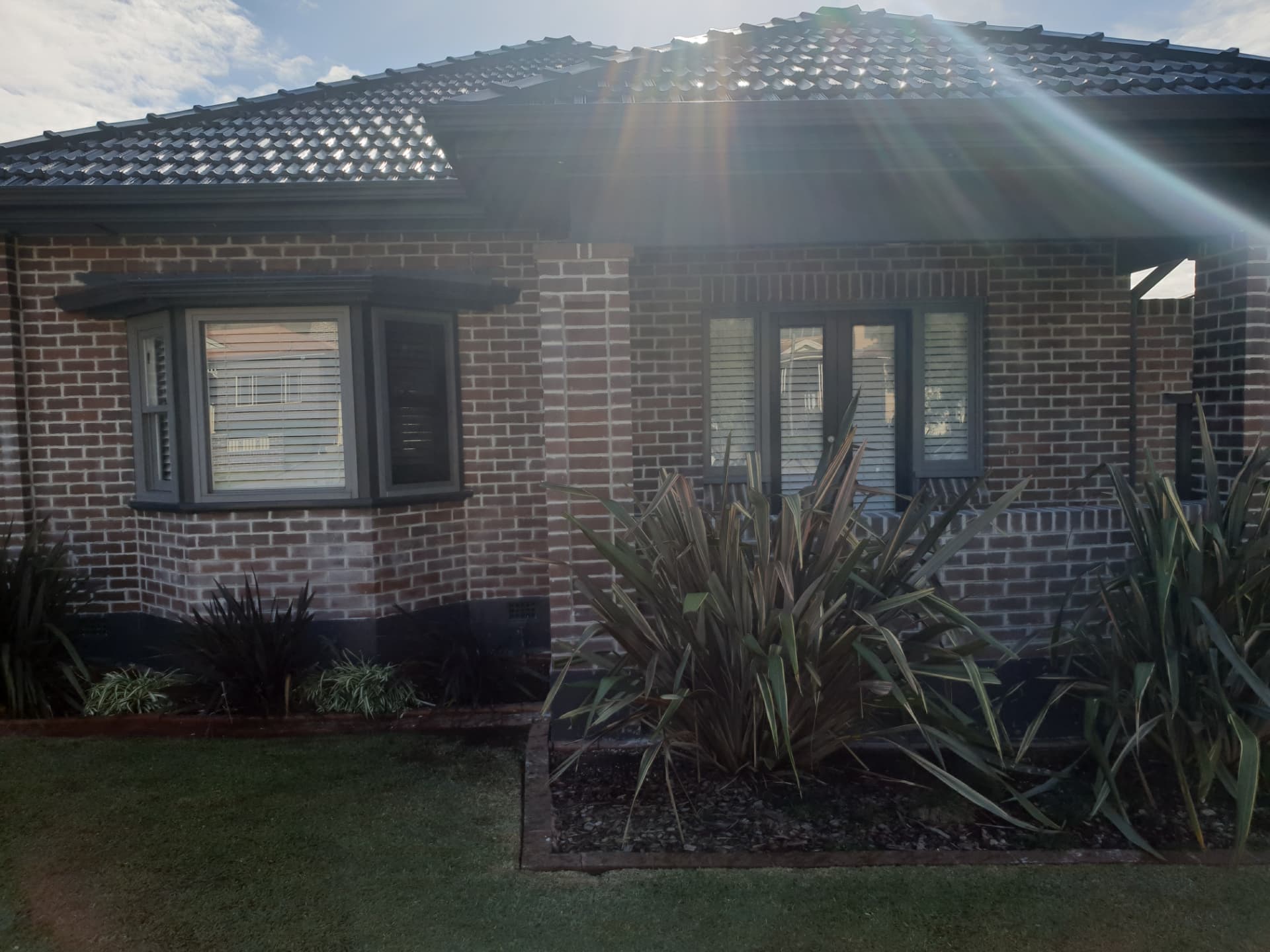
Heritage restoration
Heritage Brick Restoration
- Problem
- Weathered joints and worn brick faces on an older home.
- Work completed
- Careful mortar removal and repointing using a finish suited to the original brickwork.

Reliable Brickpointing Services
Restoring Sydney Brick Homes for Over 35 Years
Specialist brick repointing and masonry repairs for existing Sydney homes.
35+ Years Experience. Homeowner Specialist. Existing Homes Only.
We also offer professional pressure cleaning.Visit Reliable Pressure Cleaning
Do you need brick repointing?
Mortar naturally deteriorates over time. These are some of the common signs that your brick home may need professional repointing.
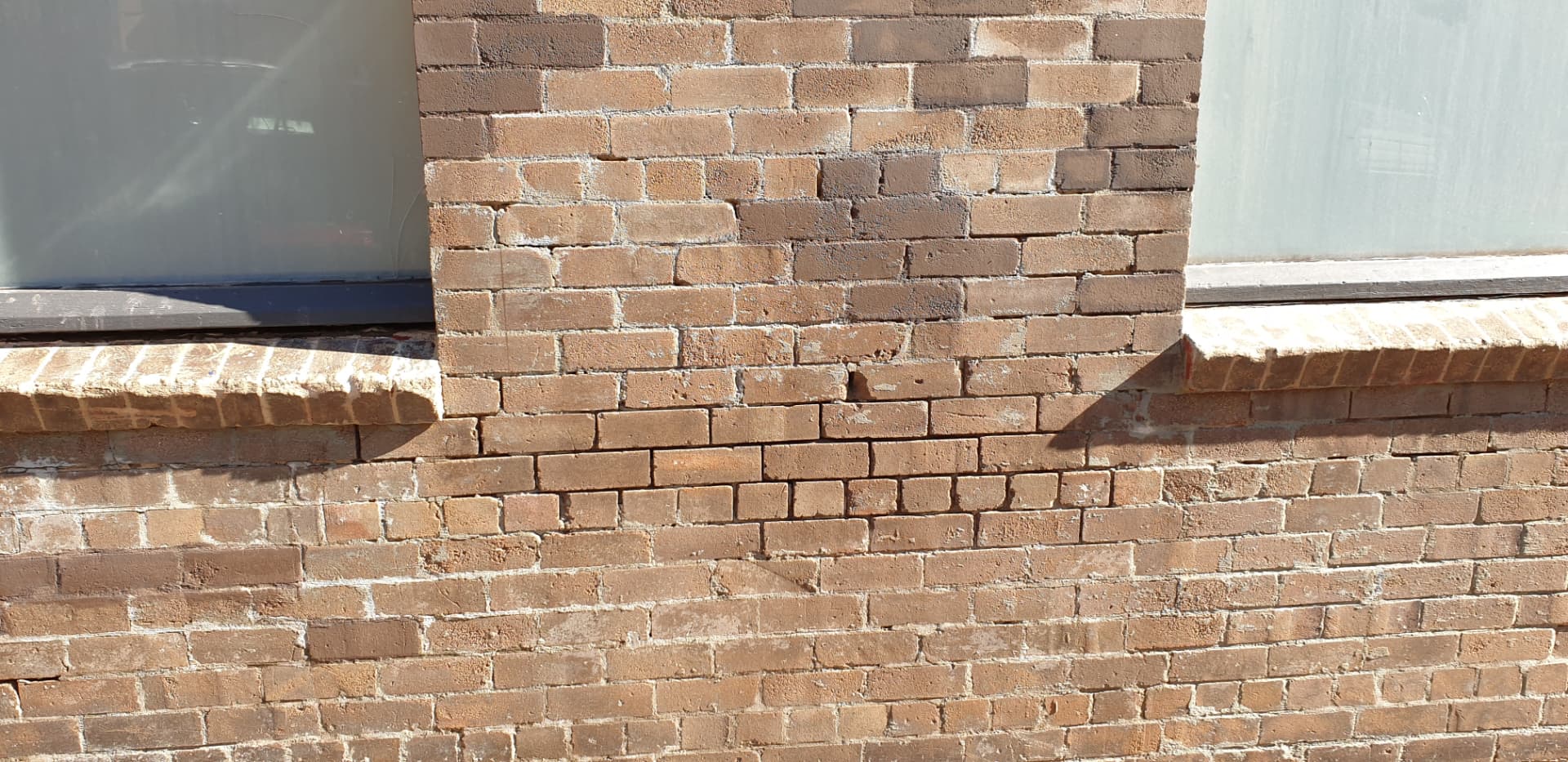
Sections of mortar have fallen out, leaving visible gaps.
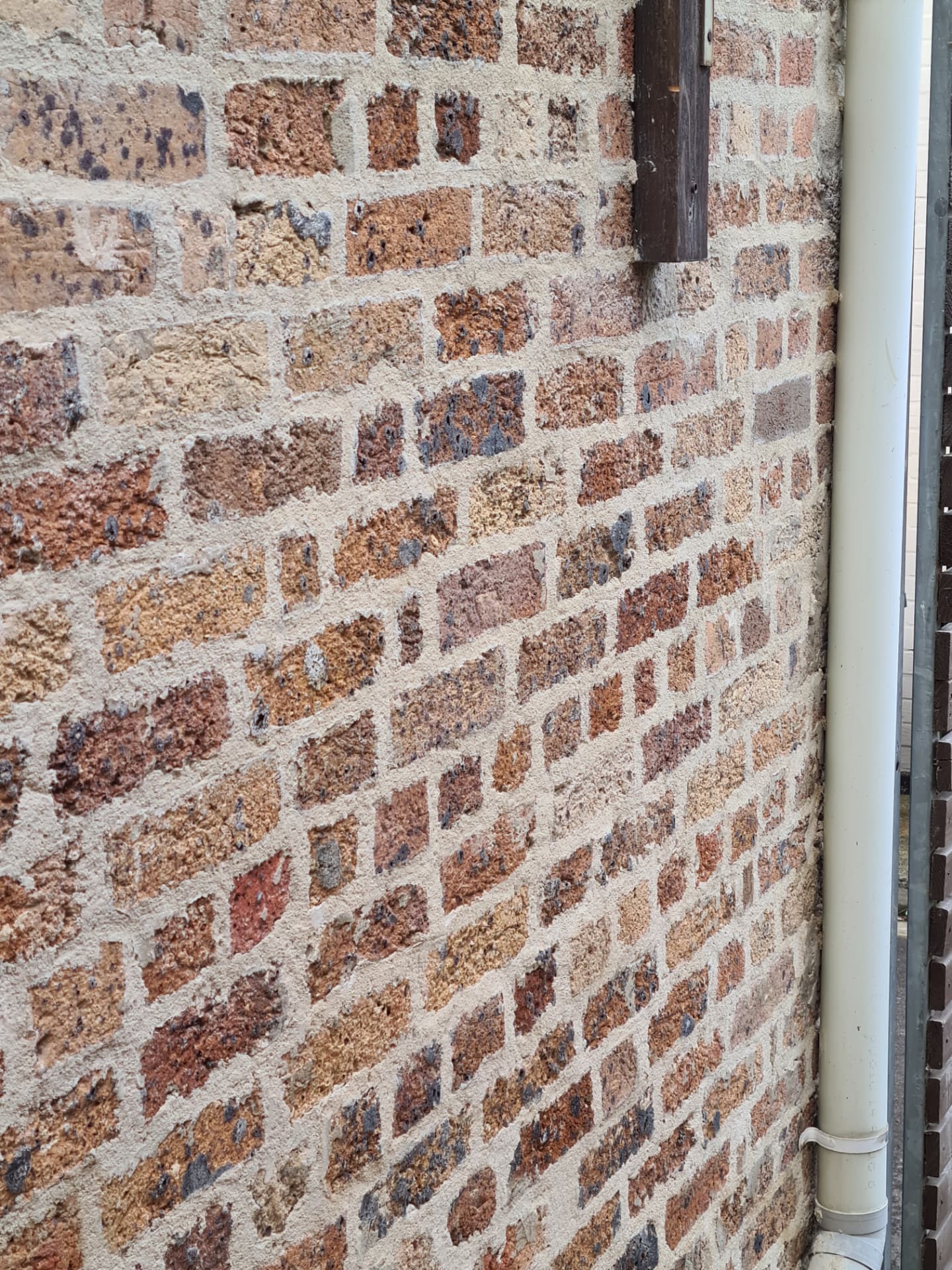
Mortar crumbles, flakes or turns to powder when touched.
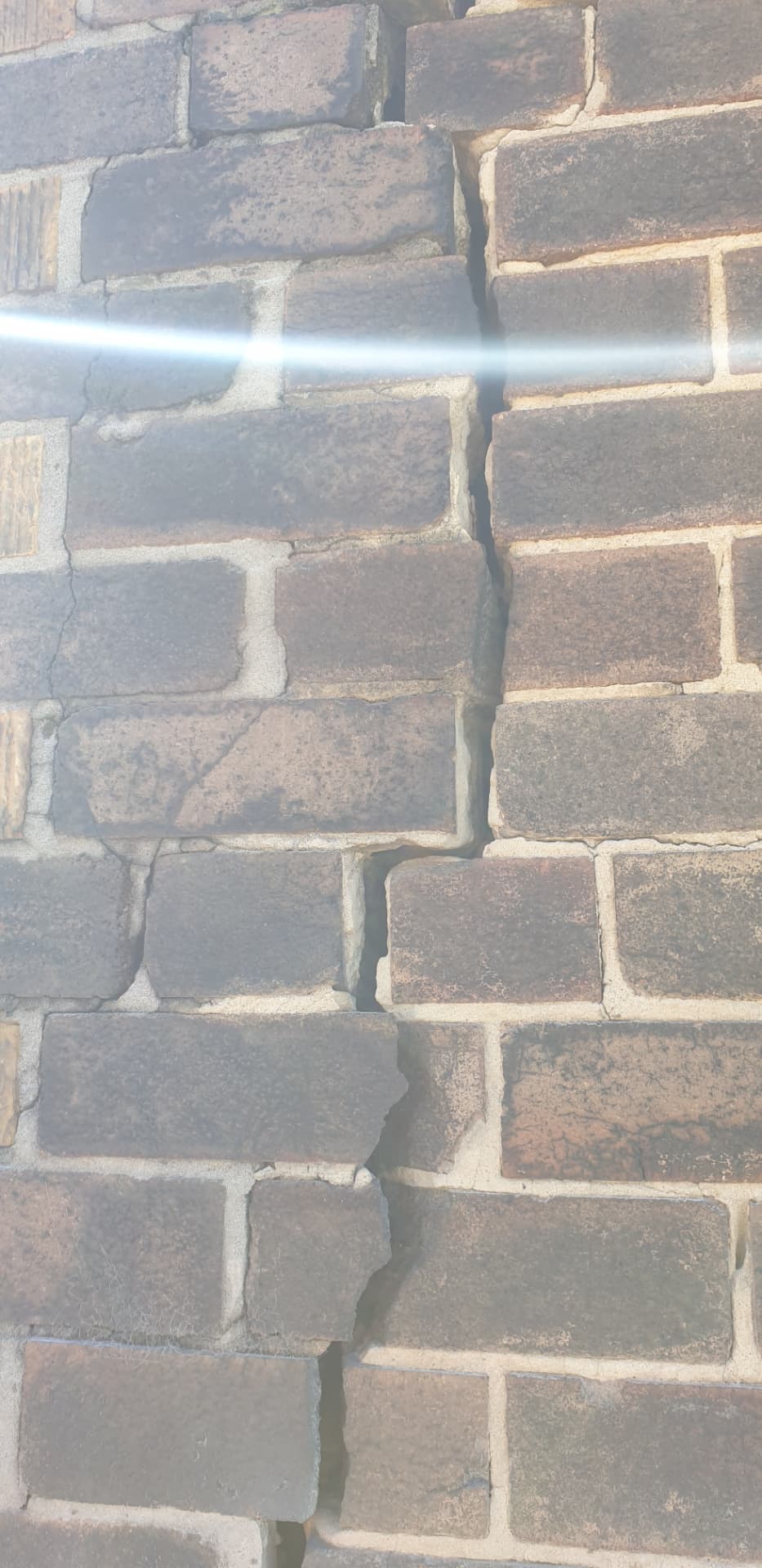
Cracks appearing through the mortar joints between bricks.
Worn joints may allow moisture to penetrate the wall.
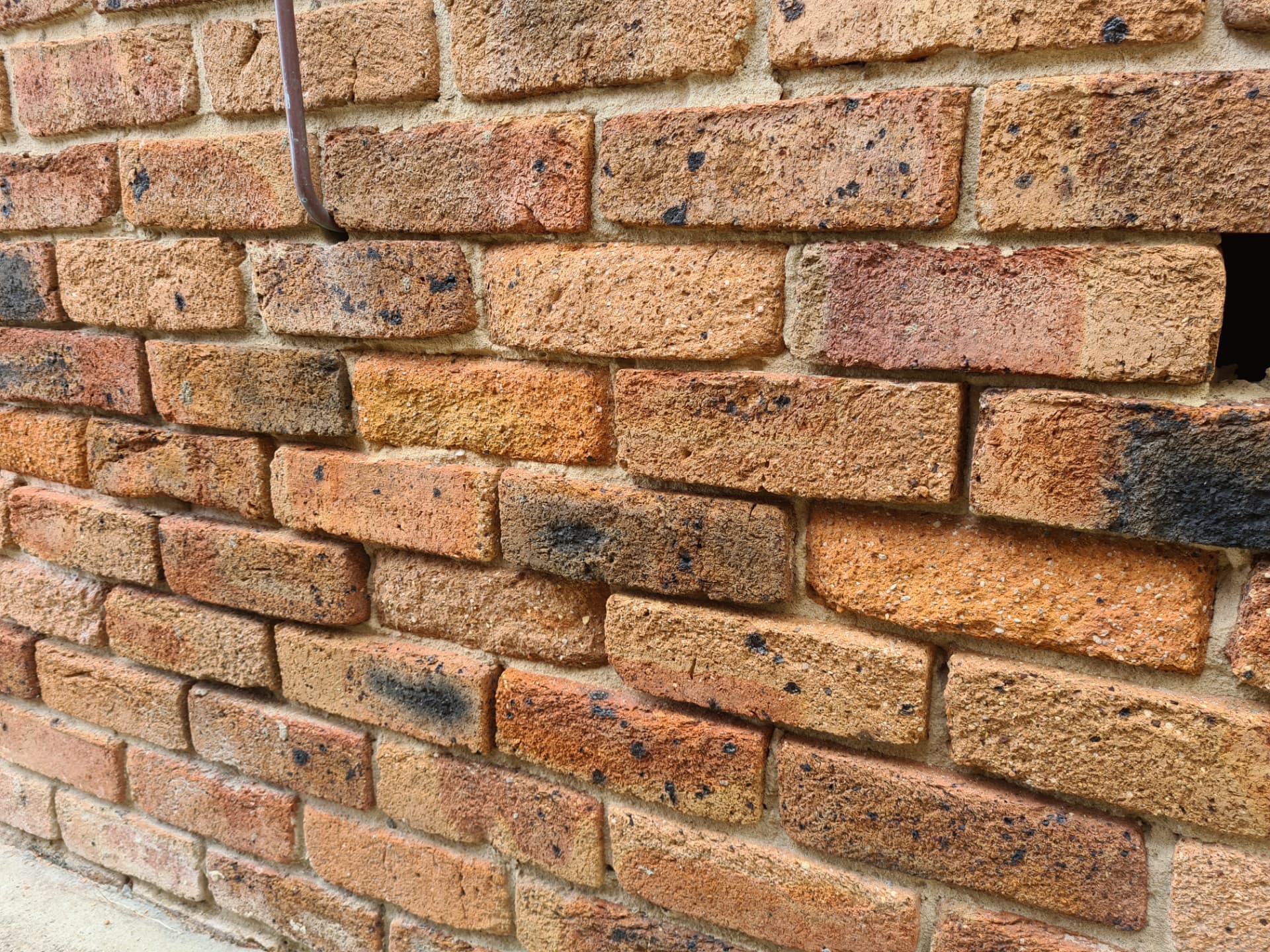
Brick faces have crumbled and broken away. Damaged bricks are removed and replaced with matching new bricks.
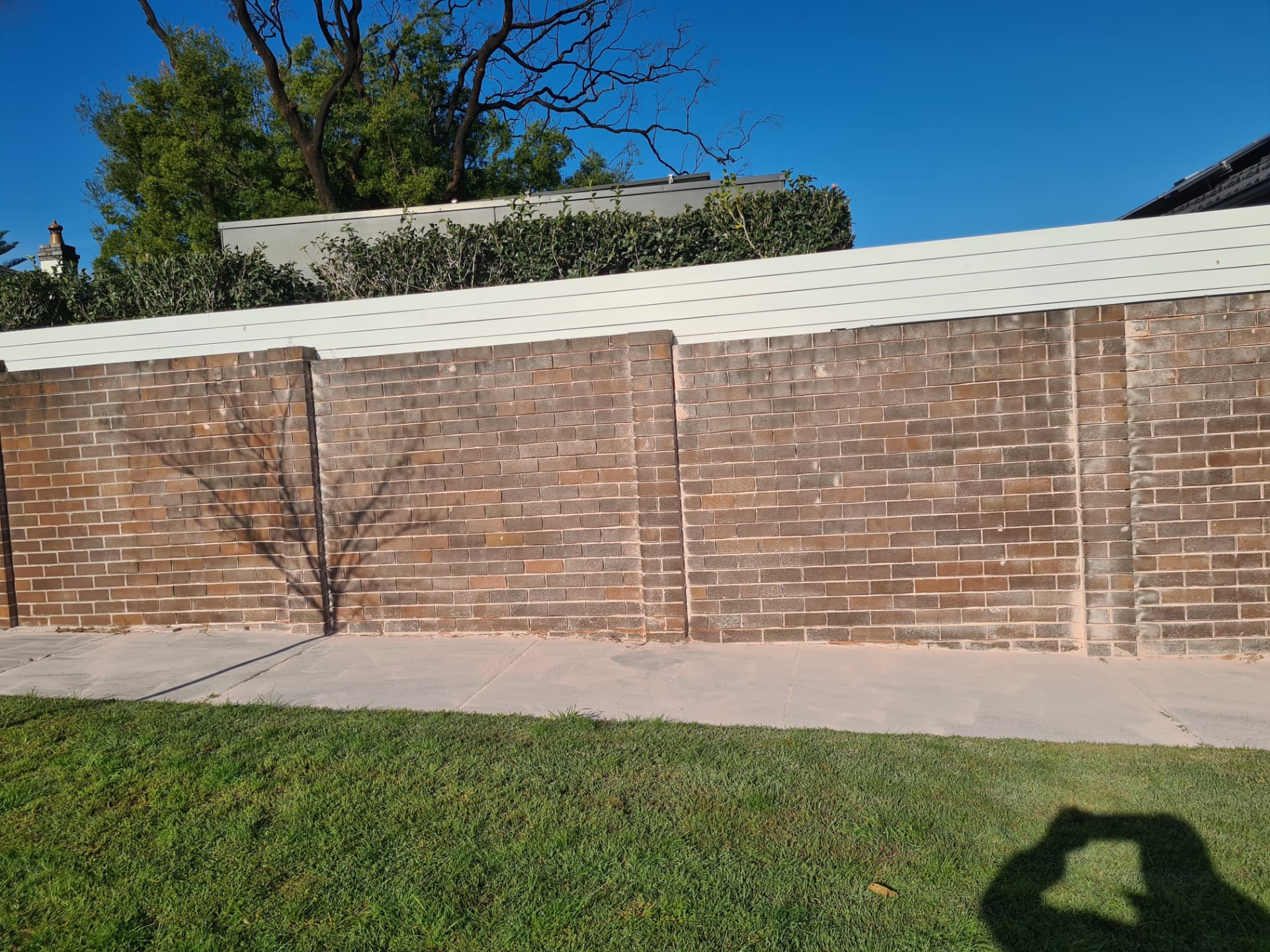
The brickwork looks tired even though the bricks themselves remain sound.
Mortar joins the bricks together and helps protect the wall from water and weather. Over time, mortar can crack, weaken and fall away while the bricks remain in good condition.
Repointing removes the deteriorated mortar and replaces it with a suitable new mortar, restoring the joints and improving the appearance and weather resistance of the wall. Addressing worn mortar early can often preserve the existing brickwork without unnecessary rebuilding.
Before, during and after
Every photograph shown is genuine work selected from the supplied project images.
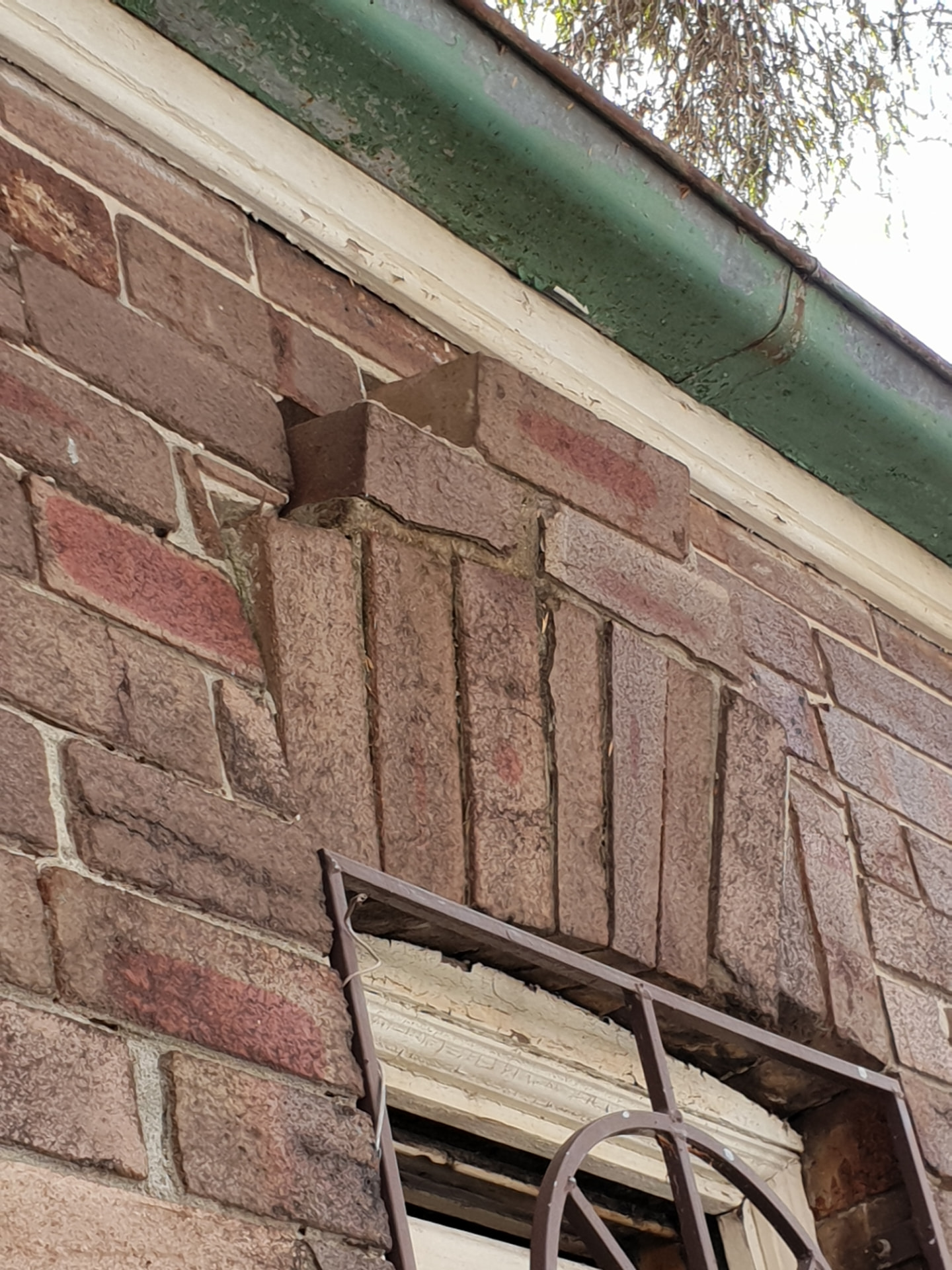
Step 1
Deteriorated mortar, cracking or damaged brickwork.
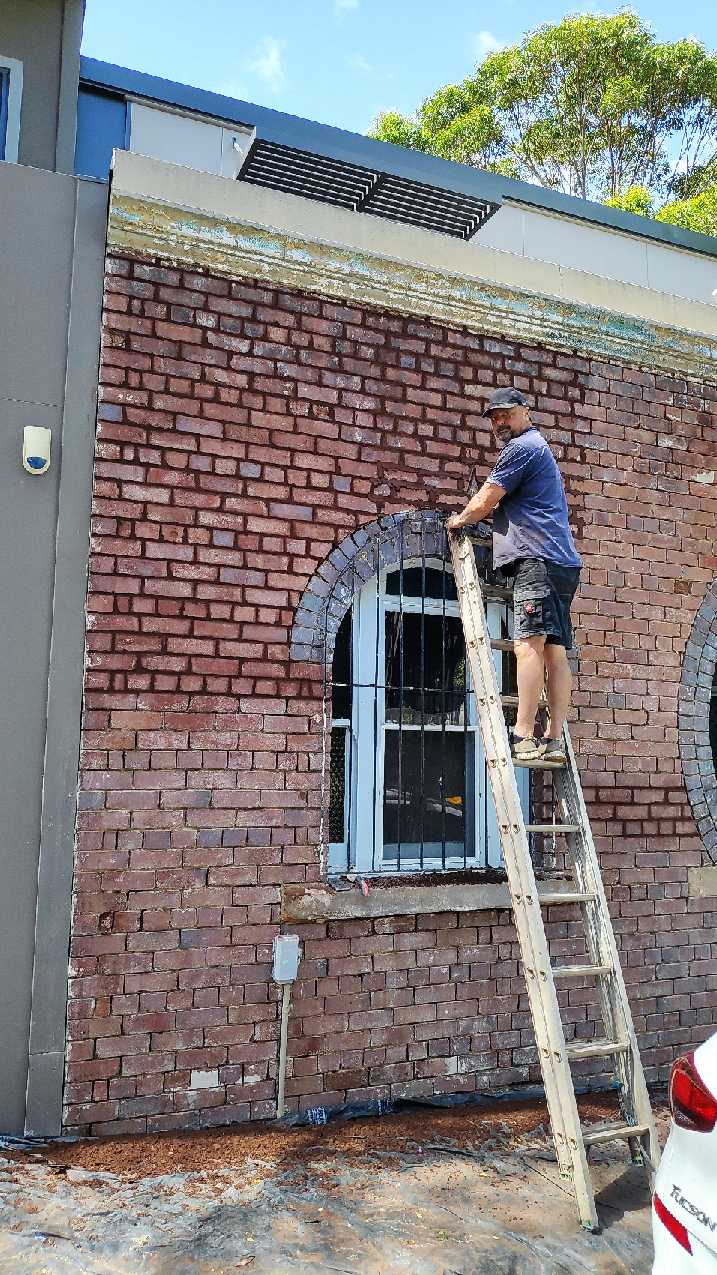
Step 2
Mortar removal, brick tie work, crack stitching or repointing in progress.
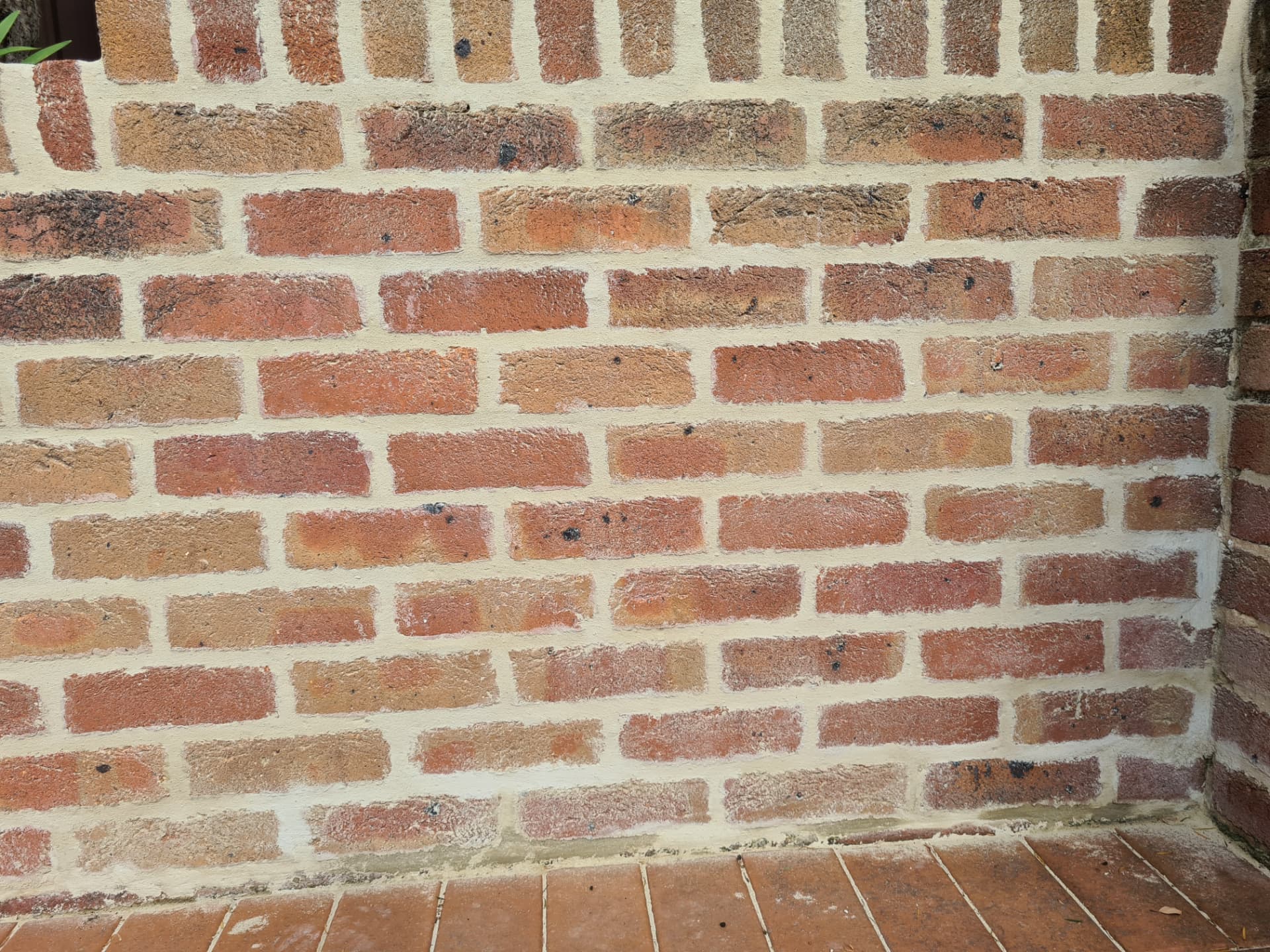
Step 3
Clean, consistent completed mortar joints and restored brickwork.
Reliable Brickpointing Services is focused on repairing and restoring existing brick homes. With more than 35 years of hands-on experience, we understand older brickwork, deteriorated mortar, brick matching and the careful repair methods needed to preserve the appearance of an established home.
We do not build new houses. Our work is centred on repointing, restoration and masonry repairs for homeowners.
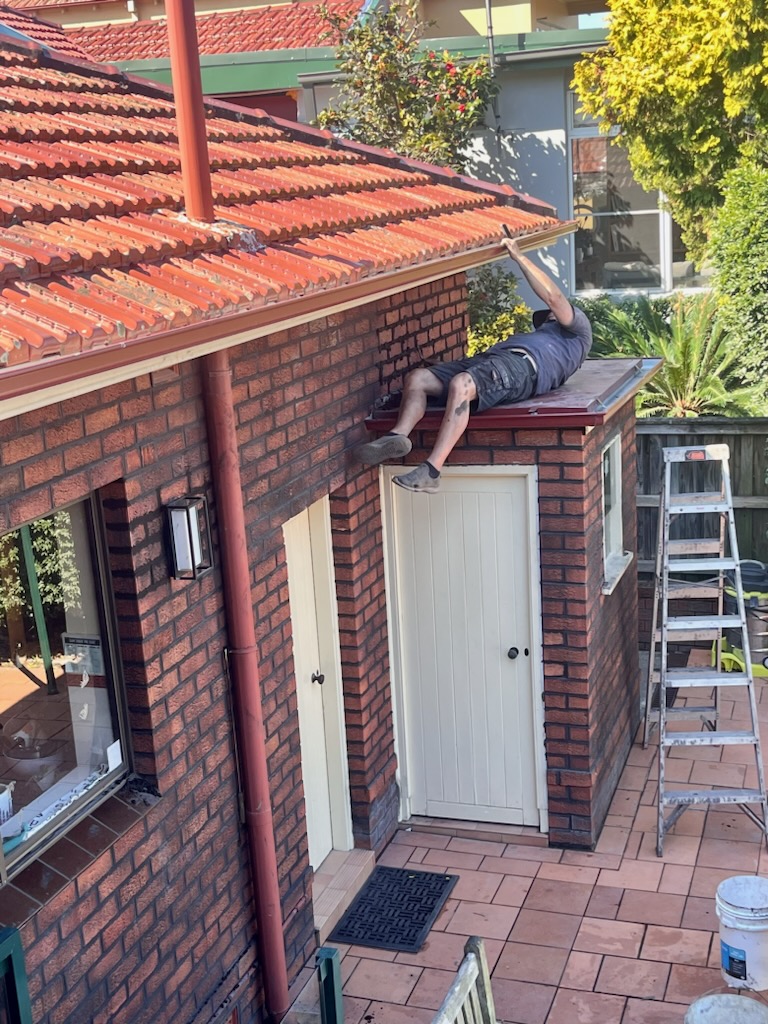
Decades of hands-on brick repair and restoration experience.
Repointing is our primary service, not a small part of general bricklaying.
Focused on repairing and restoring the brickwork homeowners already have.
Direct communication with the person responsible for the work.
Clear explanations about what needs attention and what does not.
Repairs carried out with attention to mortar finish, brick matching and the original character of the home.
Our main speciality
Repointing is what we do every day. It is the core of the business rather than a side service, and it is the work most Sydney homeowners call us about.
While brick repointing is our main speciality, we also repair related problems found in existing brick homes.
Removal and replacement of cracked, damaged or badly deteriorated bricks, with matching carried out where practical.
Stainless steel helical reinforcement installed where appropriate to help repair cracks through masonry.
Replacement of failed or corroded wall ties in existing cavity brick walls.
Repair or replacement of rusted or failing lintels above windows and openings.
Application of clear silicone-based masonry water repellent where appropriate to help reduce water absorption while retaining the visible brick finish.
Repair, repointing and rebuilding of damaged or deteriorated brick chimneys.
Careful repair and restoration of sandstone elements connected to older brick homes.
Every project shown is genuine work. No stock images and no AI-generated examples.
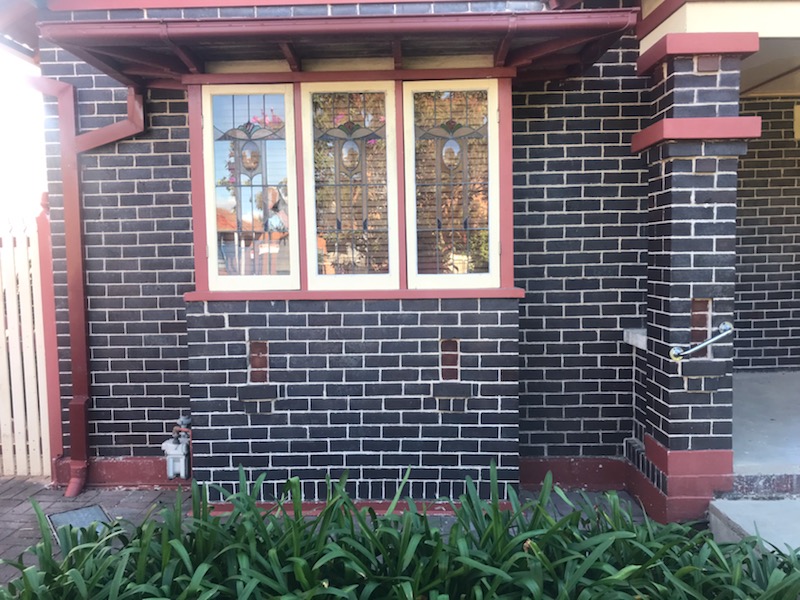
Heritage restoration
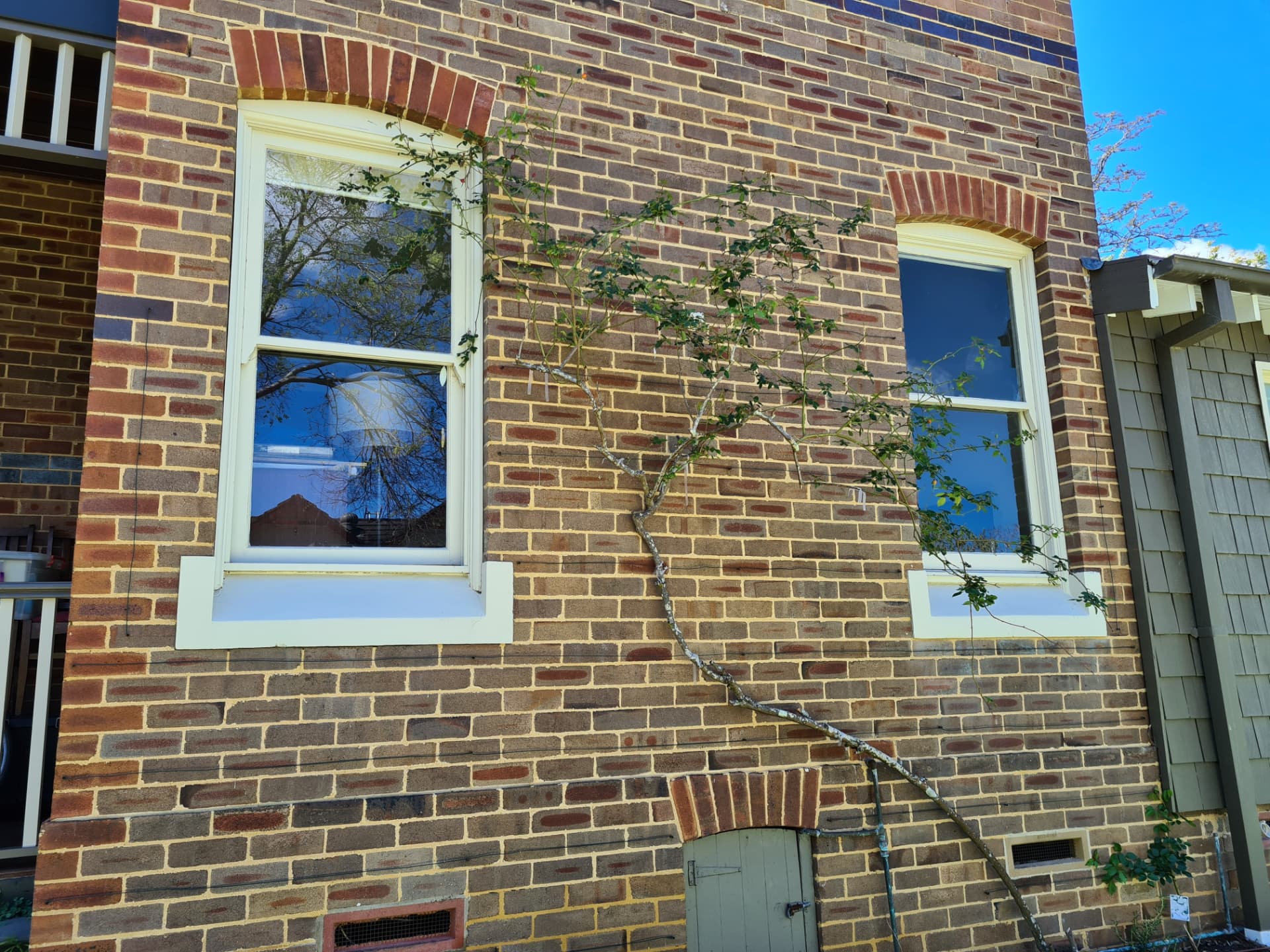
Repointing
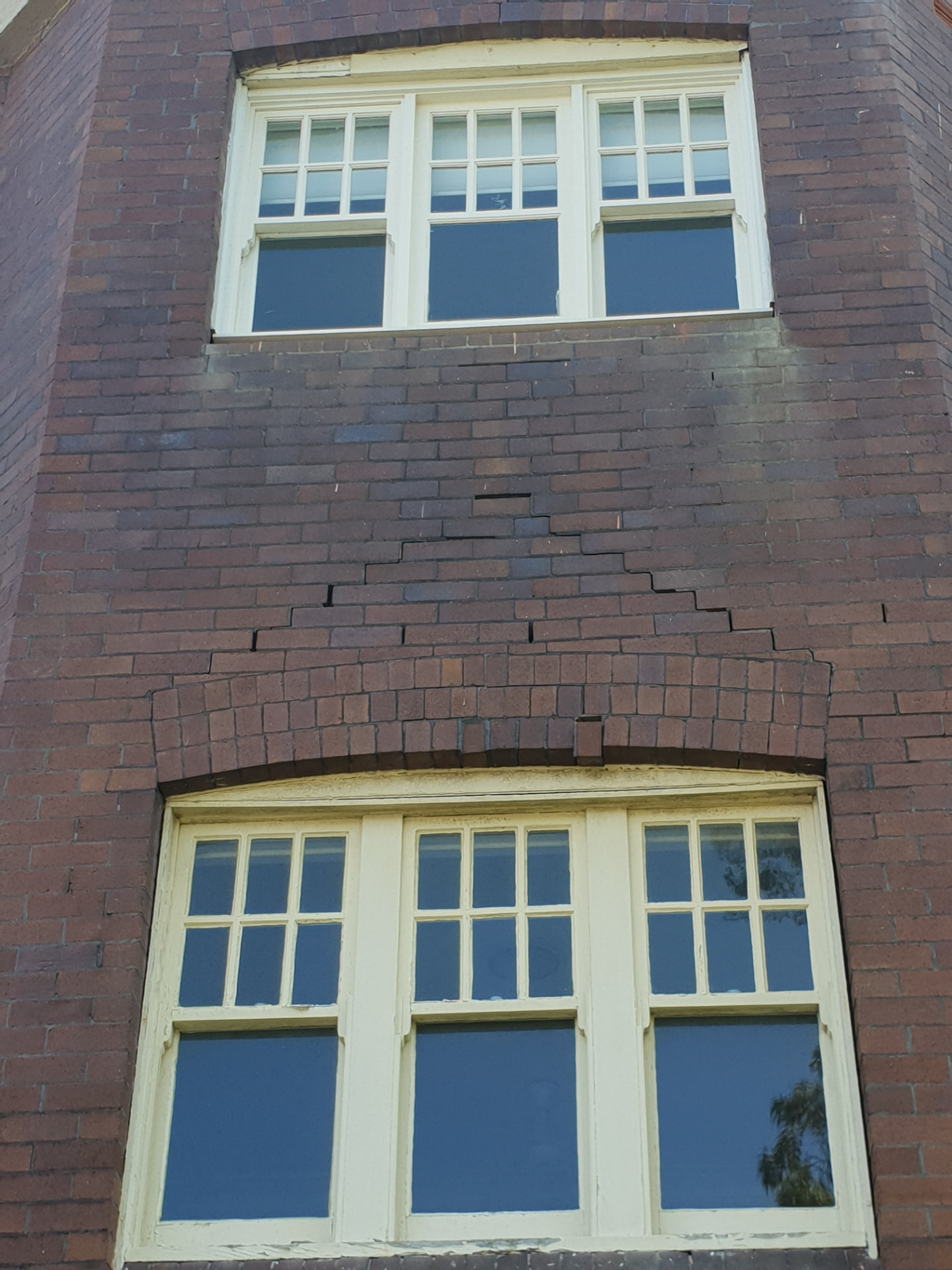
Crack repairs
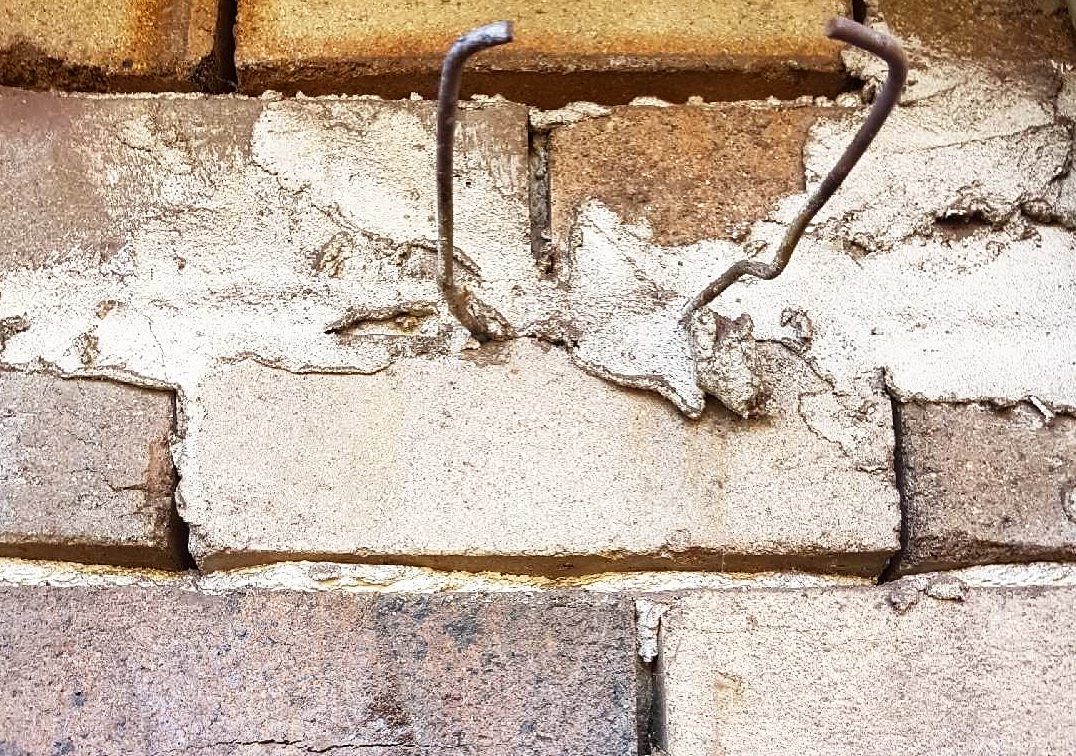
Brick ties
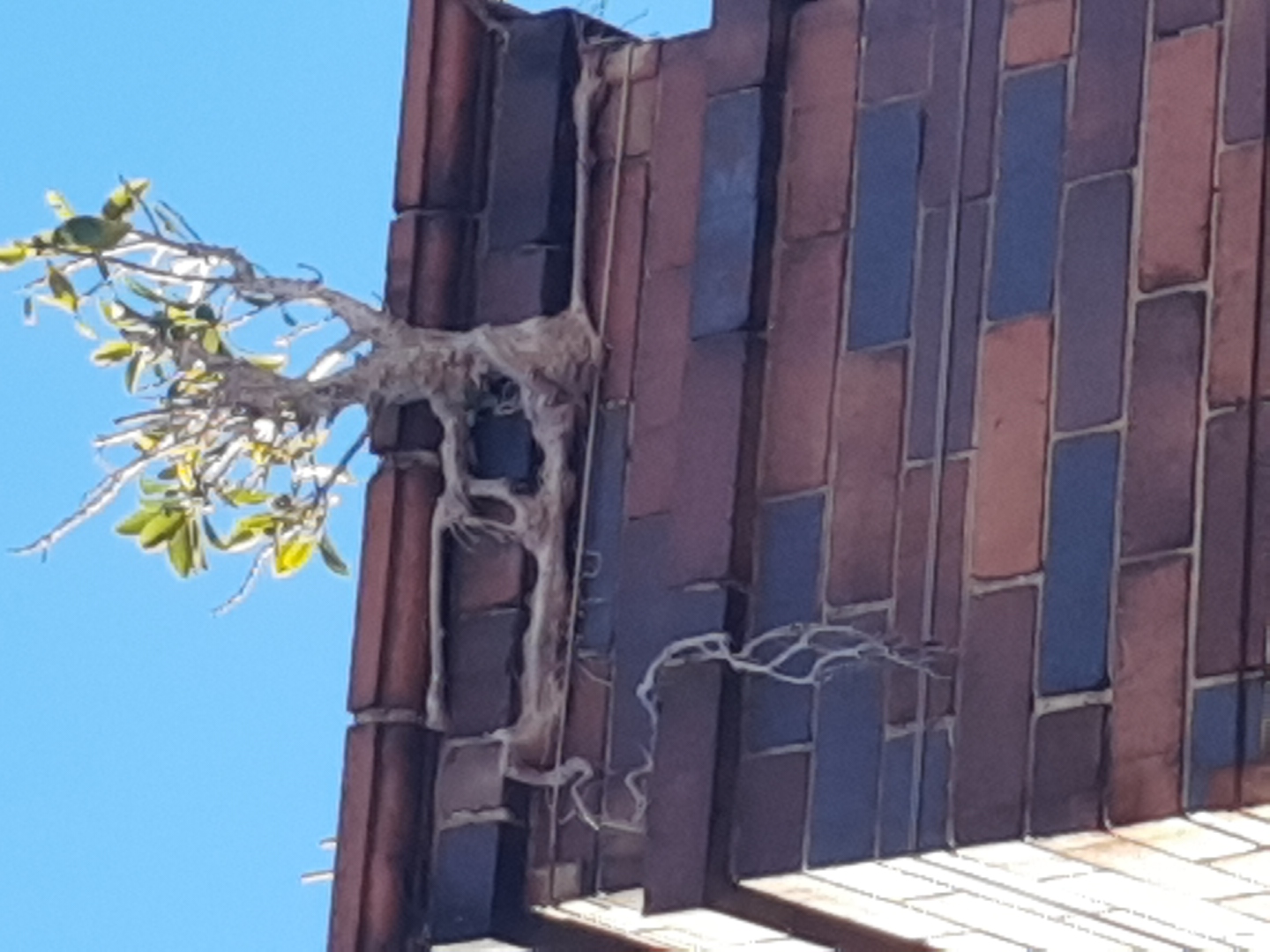
Chimneys
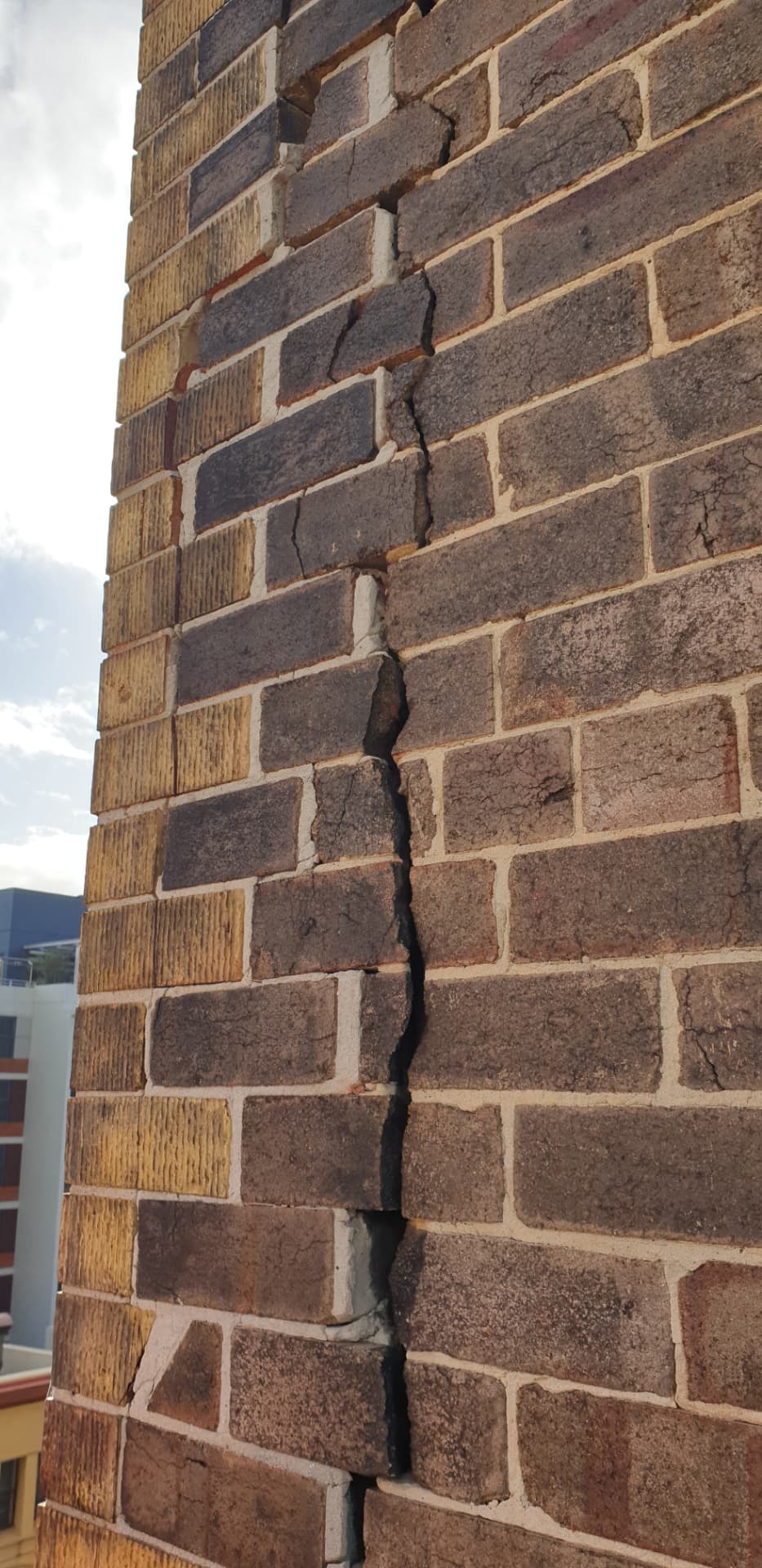
Brick replacement
The homeowner explains the problem and supplies photographs where helpful.
The condition of the mortar, bricks and related repair areas is assessed on site.
The recommended work is explained before the job begins.
The agreed repairs are completed and the work area is cleaned before completion.
Photographs help us understand the problem before we visit, but the condition of a wall is confirmed by inspecting it in person.
Reliable Brickpointing Services works with homeowners across Sydney, including the Inner West, Eastern Suburbs, North Shore, Northern Beaches, Lower North Shore and surrounding areas.
See service areasRelated Property Service
We also provide professional exterior cleaning through Reliable Pressure Cleaning. If your brickwork, driveway, paths or outdoor areas need cleaning as part of the same property work, you can deal with the same owner and arrange the services together.
If mortar is loose, cracked or deteriorated, the brickwork should be assessed before pressure cleaning.
View Reliable Pressure CleaningA few of the questions homeowners ask most often. There are many more, with fuller answers, in our questions and answers section.
Repointing is the process of raking out deteriorated mortar from the joints between bricks and replacing it with new mortar. The bricks themselves stay in place — it is the joints that are renewed. Done properly, the new mortar is matched to the original in colour, texture and joint profile so the wall looks the way it always has, only sound again.
Look closely at the joints rather than the bricks. Mortar that has weathered back behind the face of the brick, joints with gaps or missing sections, mortar that crumbles or leaves powder on your fingers when rubbed, and fine cracks running along the joint lines are all signs the mortar has reached the end of its service life. Other clues appear indoors: damp patches on internal walls, salt staining (efflorescence) on the outside, or mortar dust and grit collecting at the base of the wall. An inspection is the reliable way to confirm it, because a wall can look tired from the footpath and be sound, or look acceptable and be badly worn up close.
Mortar is softer than brick by design — it is meant to be the sacrificial element that absorbs movement. It cracks from ordinary causes: thermal expansion and contraction through Sydney's hot summers and cool nights, moisture cycles, minor settlement of the building, vibration, corroding steel lintels or wall ties expanding within the wall, and simple age. Cement-rich mortar used on an older home built for soft lime mortar is another common cause, because the hard mortar cannot flex and the stress transfers into the brick instead.
Usually it is a maintenance issue rather than a safety issue. Most mortar cracking is surface weathering and wear that lets water in over time. It matters because water entry accelerates damage, not because the wall is about to fail. Cracking becomes more serious when it is wide, stepped through both brick and mortar, growing over time, or accompanied by bulging, leaning or doors and windows that no longer sit square. Those patterns point to movement rather than weathering, and the wall should be inspected before any cosmetic repair is done.
In most cases a close match is achievable. Mortar colour comes from the sand, the binder and any oxide added, so matching means selecting sand of the right colour and grain, choosing the right binder, and testing sample mixes against the existing joint once dry — wet mortar is always darker than the cured result. Existing mortar has also weathered for decades, so the honest goal is a close, sympathetic match rather than an exact copy. New work typically settles in visually over the first year or two.
Well-executed repointing using a mortar suited to the brick and the exposure is a long-term repair — commonly measured in decades rather than years. Its life depends on the mortar mix, how deeply the old joints were raked out (a shallow smear over failed mortar will not last), the exposure of the wall, and whether the underlying cause of the deterioration was addressed. Sheltered walls outlast weather-facing and coastal walls. Repointing with an over-hard cement mortar on soft old brick is the usual reason a repair fails early.
There is dust and debris — raking out old mortar creates both. A careful contractor manages it with dust extraction or wet cutting where suitable, drop sheets, protection of windows, paths, gardens and outdoor furniture, and daily clean-up rather than one clean-up at the end. Expect some fine dust settling nearby while the work is underway; expect the site to be swept and washed down before the job is called finished.
No. A brick with a hairline crack that is still sound and well bedded is usually left alone. Replacement is warranted when the brick is broken through, when the face has fretted away, when it has become loose or is crumbling, or when the crack is part of a movement pattern that is being repaired anyway. Over-replacing bricks on an older home has a cost of its own — every new brick is a visual break in a wall that has weathered evenly for a century.
No. We specialise in repairing and restoring existing brick homes. We do not carry out new-home bricklaying or general new construction.
Feedback from homeowners is published on Google. You can read what people have said about our brick repointing and repair work there.
Find us on GoogleSend through a few photos or arrange an inspection. We will explain what we can see, whether repointing may be suitable and what the next step involves.